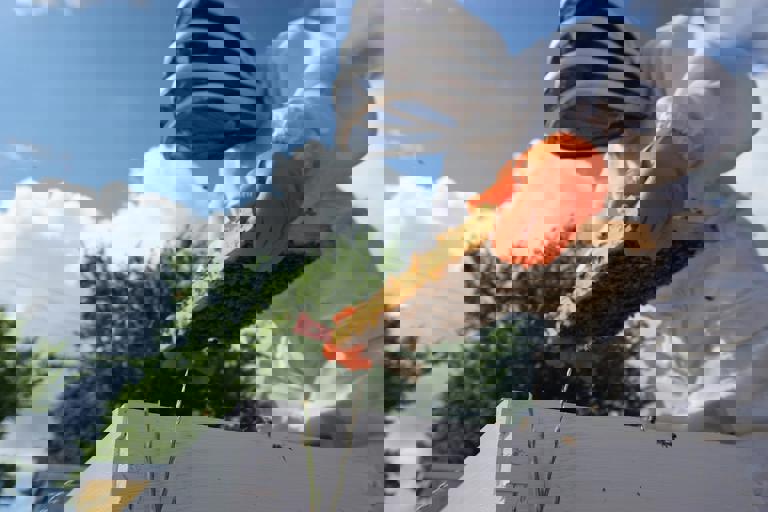
High above the city streets, where the noise and commotion rarely pause, a quiet revolution is buzzing to life. Secret rooftop apiaries are steadily emerging in urban overhead spaces, offering sanctuary for bees and a surprising source of award-winning honey. These hidden hives often go unnoticed by passersby, but their impact is beginning to ripple through both local food culture and environmental circles, as city dwellers discover the rich possibilities of rooftop beekeeping.
In recent years, amateur beekeepers have taken to rooftops, eager to nurture colonies of honeybees in an environment that, at first glance, seems wholly unsuited for such delicate creatures. Their efforts are anything but amateur when it comes to results. Several of these urban apiaries have produced honey recognized for its complex flavor profiles and ethical sourcing, winning accolades at regional and national competitions.
The journey to rooftop beekeeping typically begins with a few enthusiasts learning the basics in community workshops or through local urban agriculture initiatives. "I never imagined I'd be tending hives above the city," says Clara Nguyen, who started her apiary on an apartment building rooftop. "It's peaceful up here, and the bees are thriving." Nguyen’s honey recently took top honors at a local artisan food festival, highlighting the unexpectedly fertile ground city rooftops offer for high-quality honey production.
City bees forage on a diverse tapestry of flowering plants that populate urban parks, community gardens, balconies, and roadside boulevards. This varied floral diet gives rooftop honey its distinctive flavor—a complexity often absent from conventional rural varieties dominated by single crop fields. "There's a lushness and unique character to the taste," explains Jenna Tomlin, a judge for the Canadian Honey Awards. "It reflects the botanically rich urban landscape."
Sustainability is at the heart of this movement. Rooftop beekeepers adhere closely to organic and environmentally friendly practices, often citing the need to protect not just their bees but the broader urban ecology. Many avoid chemical pesticides and employ integrated pest management techniques to keep hives healthy. The result is honey that’s not only delicious but produced with a light ecological footprint, a key factor in winning over judges and customers alike.
The benefits extend beyond the honey itself. Urban bees play a vital role in pollinating city plants, contributing to the growth of vegetables and flowers in parks and gardens throughout Canadian cities. According to research published by the University of Toronto, even small clusters of hives can have a measurable positive impact on biodiversity and urban food systems.
Challenges, however, are part and parcel of rooftop beekeeping. With the city’s fluctuating temperatures, strong winds, and occasional lack of water, beekeepers must remain ever-vigilant. "You need to be attentive," notes Ahmed Rashid, who oversees hives on a commercial office building. "Rooftop environments can become hot and dry. Providing shade and water sources is essential to keep the colonies happy and productive."
The issue of neighbor relations is another consideration. While bees rarely cause problems if handled responsibly, transparency and education matter. Many rooftop beekeepers engage with their building’s residents and management, offering tours or honey tastings to demystify the practice. Such outreach has proven effective, turning initial hesitancy into enthusiastic support.
Award recognition has helped validate the movement and spread its message. Just last year, a rooftop honey from Toronto won the Best Urban Honey prize at the Canadian National Exhibition. The judges cited its delicate balance of wildflower, linden, and clover notes—a true reflection of the city’s botanical diversity. This kind of acclaim encourages more urbanites to view beekeeping not as a quirky hobby, but as a legitimate contribution to sustainable food production.
There is also a growing sense of camaraderie among the rooftop beekeeper community. Hive owners often share tips, lend equipment, or collaborate on research into bee health. "It’s a supportive network," says Marcus Chatwin, a founding member of the Urban Apiarists Collective. "We learn from each other, whether it's managing pests or harvesting honey at just the right time for optimal flavor."
Increasingly, local restaurants and markets are sourcing honey directly from rooftop producers, drawn by its hyper-local origin and quality. Chefs experiment with the city honey’s layered notes, incorporating it in innovative dishes and cocktails. "Knowing exactly where our ingredients come from—and that it's supporting city pollinators—adds real value for us and our customers," remarks Sophie Grover, chef at a celebrated downtown eatery.
Engagement in rooftop beekeeping also serves as a potent educational tool. Schools sometimes partner with bee enthusiasts to teach students about pollination, biodiversity, and urban resilience. Not only does this foster appreciation for bees and sustainable agriculture, it also inspires new generations to think creatively about city living and food systems.
Looking ahead, the future appears bright for rooftop apiaries in urban centers across Canada. As awareness grows and more buildings open their rooftops to beekeeping, the hope is for even greater environmental and culinary dividends. For now, these secret rooftop hives remain a testament to what can happen when city dwellers reimagine their relationship to nature—one bee, and one jar of honey, at a time.