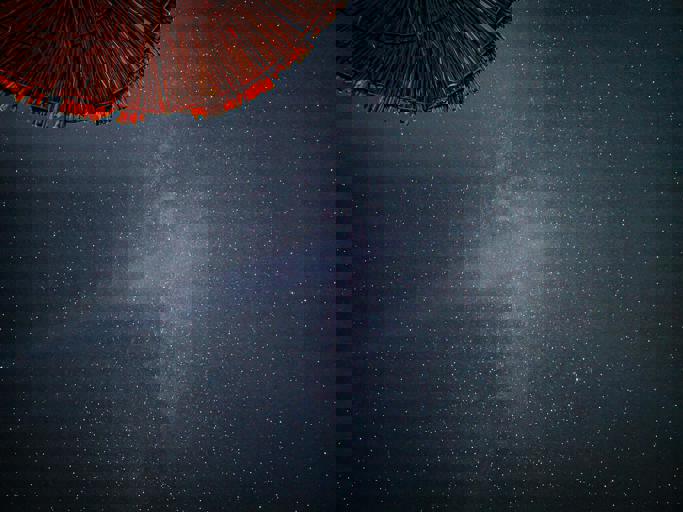
Under the inky velvet sky, stargazers gathered near the local observatory for a midnight astronomy session, united by a celestial event that has long captured human fascination: a full lunar eclipse. The event, meticulously organized by observatory staff, welcomed residents of all ages to share telescopes, expert insights, and hot beverages under silvery moonlight. Interest in the night’s occurrence was palpable, with anticipation building throughout the evening as families, enthusiasts, and newcomers alike found their way to the observatory grounds.
As the eclipse progressed, the atmosphere buzzed with excitement and curiosity. Volunteers handed out detailed star charts and explained the phases of the eclipse, using laser pointers to map out key constellations. Children clustered around telescopes, eager to witness the Earth’s shadow slowly enveloping the lunar surface. “It’s a magical sight—seeing the moon change color in real time,” remarked Margaret Chen, a local teacher. Many attendees echoed her sense of wonder, their eyes trained skyward.
To help everyone get the most from the night, the observatory provided high-powered telescopes free of charge, monitored by a team of astronomers and hobbyists. Those without previous astronomy experience found the staff especially helpful. “I’d never looked through a proper telescope until tonight,” said Terrence Moore, a first-time attendee. “The view was incredible. I could see craters and details on the moon I’d only ever seen in books.”
Hot chocolate and light snacks were also on hand, adding warmth and comfort to the chilly late-night outing. The observatory’s director, Dr. Elisa Blanchet, emphasized the importance of making astronomy accessible and enjoyable for everyone. “We want to ensure that no one is excluded from these cosmic spectacles because of lack of equipment or expertise,” she explained. “Events like this bring our community together in curiosity and awe.”
Throughout the evening, seasoned astronomers led impromptu lessons on the science behind eclipses. Large portable screens projected real-time feeds of the lunar surface for those waiting their turn at telescopes. Educational pamphlets offered facts about lunar cycles and the significance of such eclipses, while staff addressed questions ranging from lunar geology to how ancient peoples interpreted these dramatic changes in the sky.
The lunar eclipse itself was the highlight, as the moon dimmed and deepened to a coppery red—an effect known as a ‘blood moon.’ Attendees gasped as the transformation unfolded, with many capturing the event on smartphones or cameras. “This is my first time seeing a total eclipse—and it feels meaningful to witness it among friends and neighbors,” said fifteen-year-old Arjun Mann, bundled in a thick scarf. His sentiment was a common thread throughout the crowd.
While the celestial spectacle was a focal point, the event’s communal spirit left a lasting impression. Parents chatted over steaming mugs, amateur astronomers traded tips, and children formed small groups to compare sightings. The night fostered new connections and a shared sense of discovery, reminding many of the simple pleasure in marveling at nature’s larger-than-life phenomena together.
As the eclipse drew to a close and the moon began to restore its familiar glow, guests gradually drifted home, full of stories and newfound enthusiasm for the night sky. The observatory promised future viewing nights and educational programs, spurred by the evening’s turnout and the evident appetite for astronomy. Moments like these, many agreed, make science feel vivid and personal—an experience best shared as a community under the vast Canadian sky.